

News
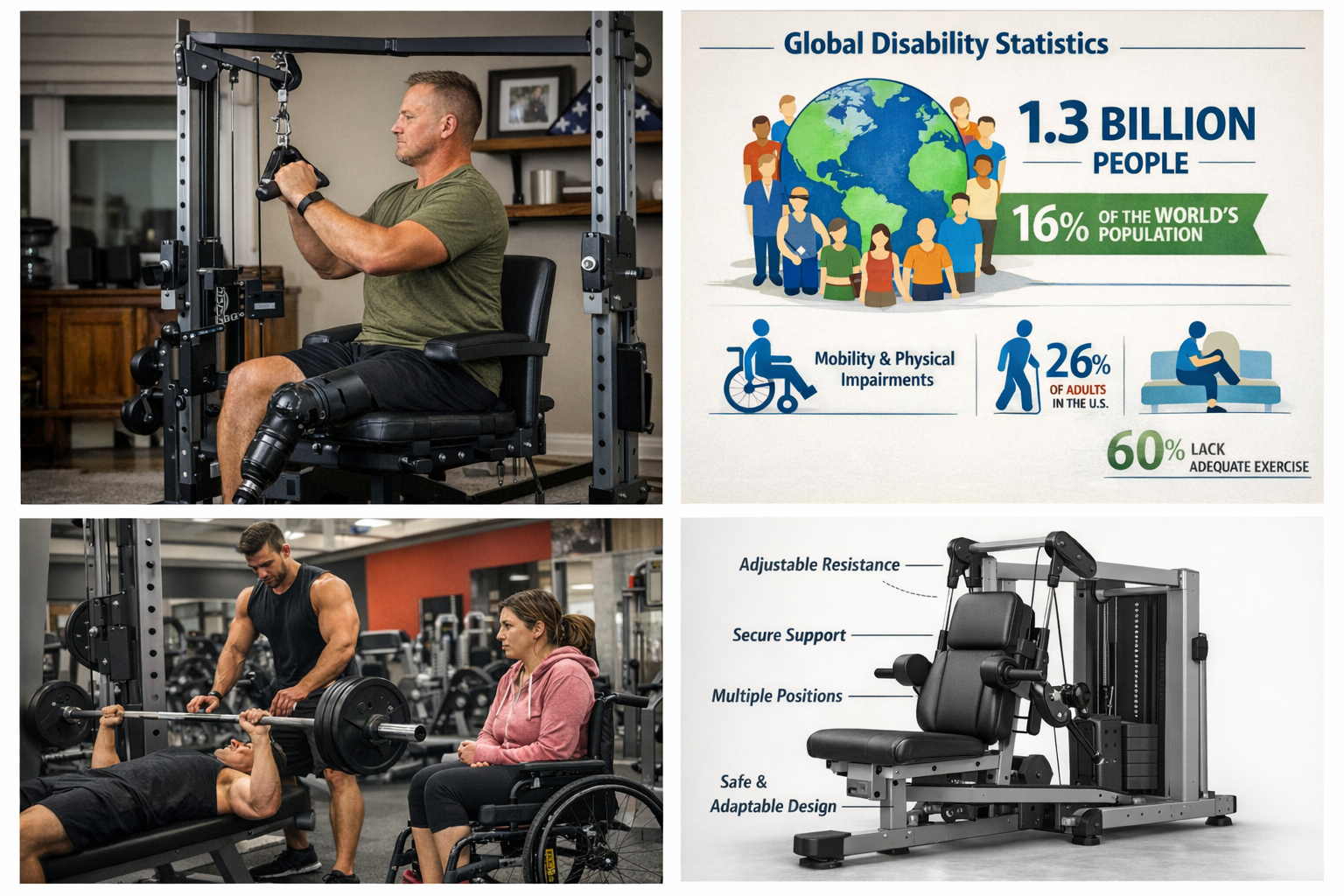
As home fitness continues to grow, an important question remains overlooked:
where does fitness exist for people with disabilities and limited mobility?
This article discusses the hidden barriers within commercial gyms and conventional home workout equipment, highlighting why many fitness systems fail to support real-world bodies with asymmetric strength, mobility limitations, or safety concerns.
By emphasizing inclusive fitness, adaptive home fitness design, and human-centered engineering, the article reframes accessibility not as a compromise, but as a higher standard for modern fitness solutions.
Momo Sports Life is a home fitness brand focused on designing compact, adaptable training systems for everyday living spaces. Our mission is to make safe, accessible, and meaningful movement possible for more people—without barriers.
The People Commercial Gyms Quietly Reject, and the Way Forward
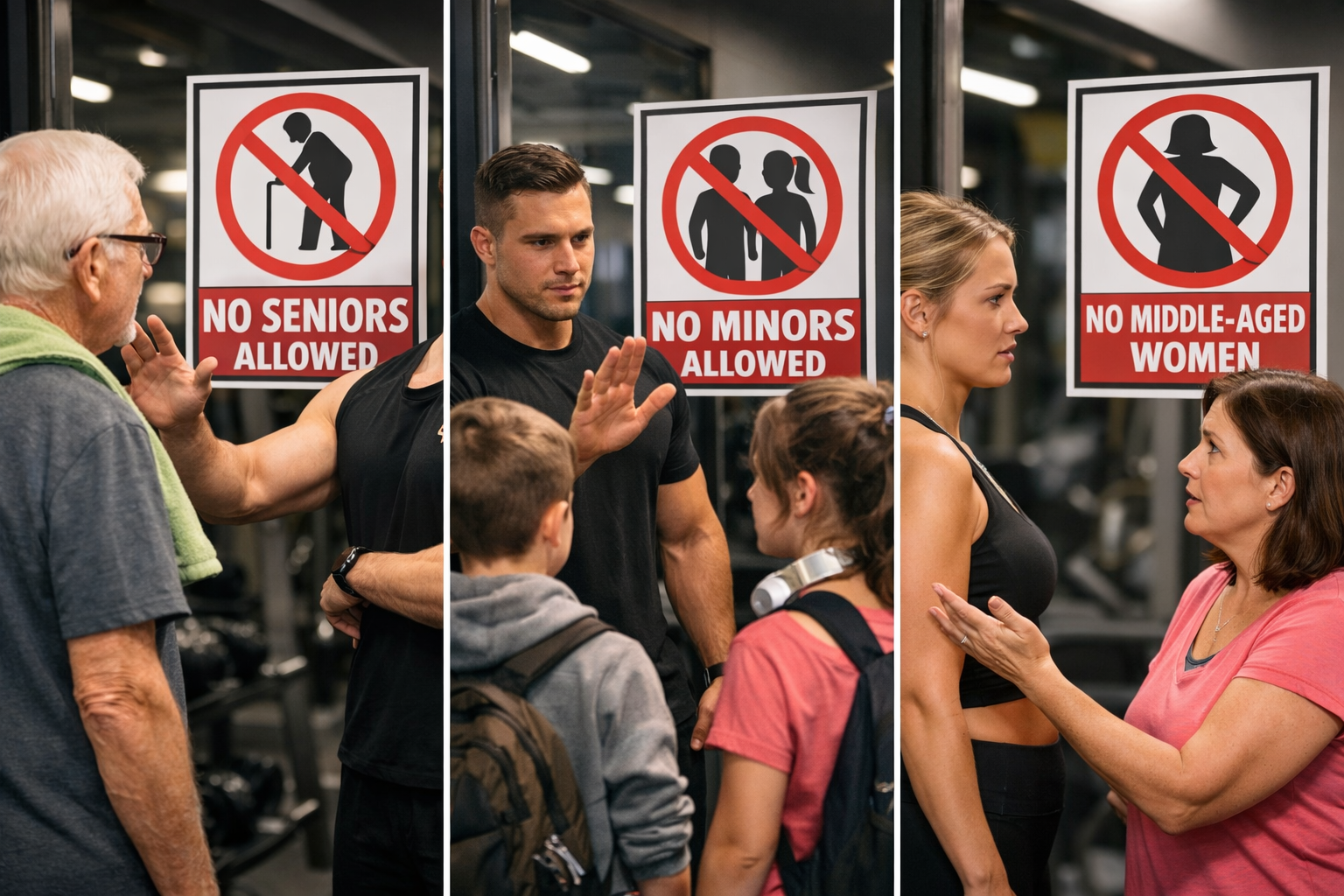
Commercial gyms are not truly designed for most people.
The elderly, middle-aged women, mothers, children, and those with “imperfect” bodies are often silently excluded by time constraints, physical limitations, psychological pressure, and environmental discomfort.
The real solution is not to keep trying to fit into the gym, but to build a micro fitness system at home that adapts to real life: safe, inclusive, flexible, foldable, and usable by different ages.
It makes fitness no longer a source of pressure, but something that naturally becomes part of everyday life.
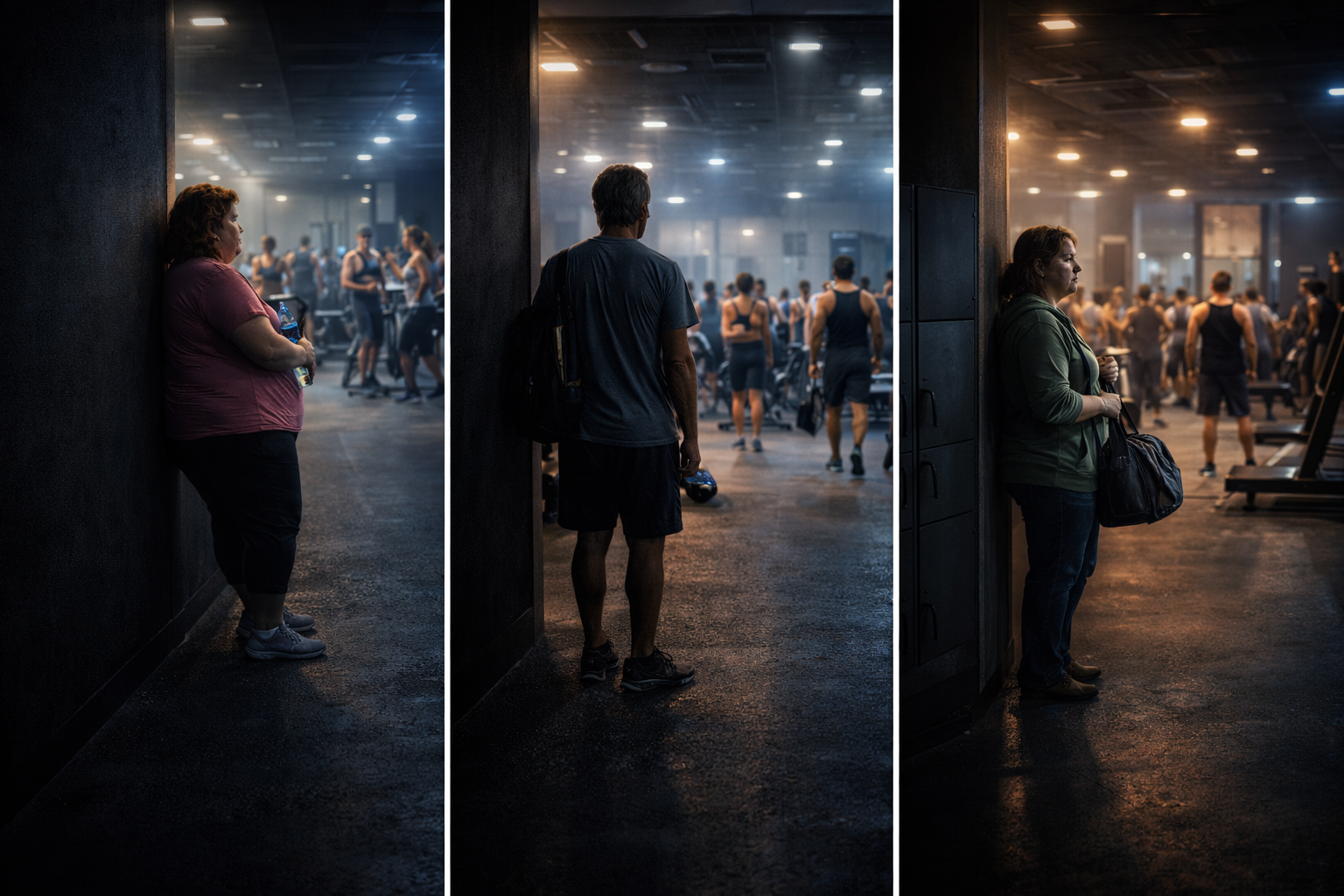
Who Do Commercial Gyms Really Reject? And Why They’re Actually Rejecting the Majority
Many people are quietly excluded from commercial gyms due to time constraints, changing energy levels, physical limitations, financial pressure, and psychological discomfort. Home fitness offers a solution, but only when designed to fit real life—flexible, safe, compact, and adaptable for different ages and energy levels. True fitness isn’t about discipline alone; it’s about creating environments and tools that adapt to people, making movement sustainable, forgiving, and a natural part of everyday life.
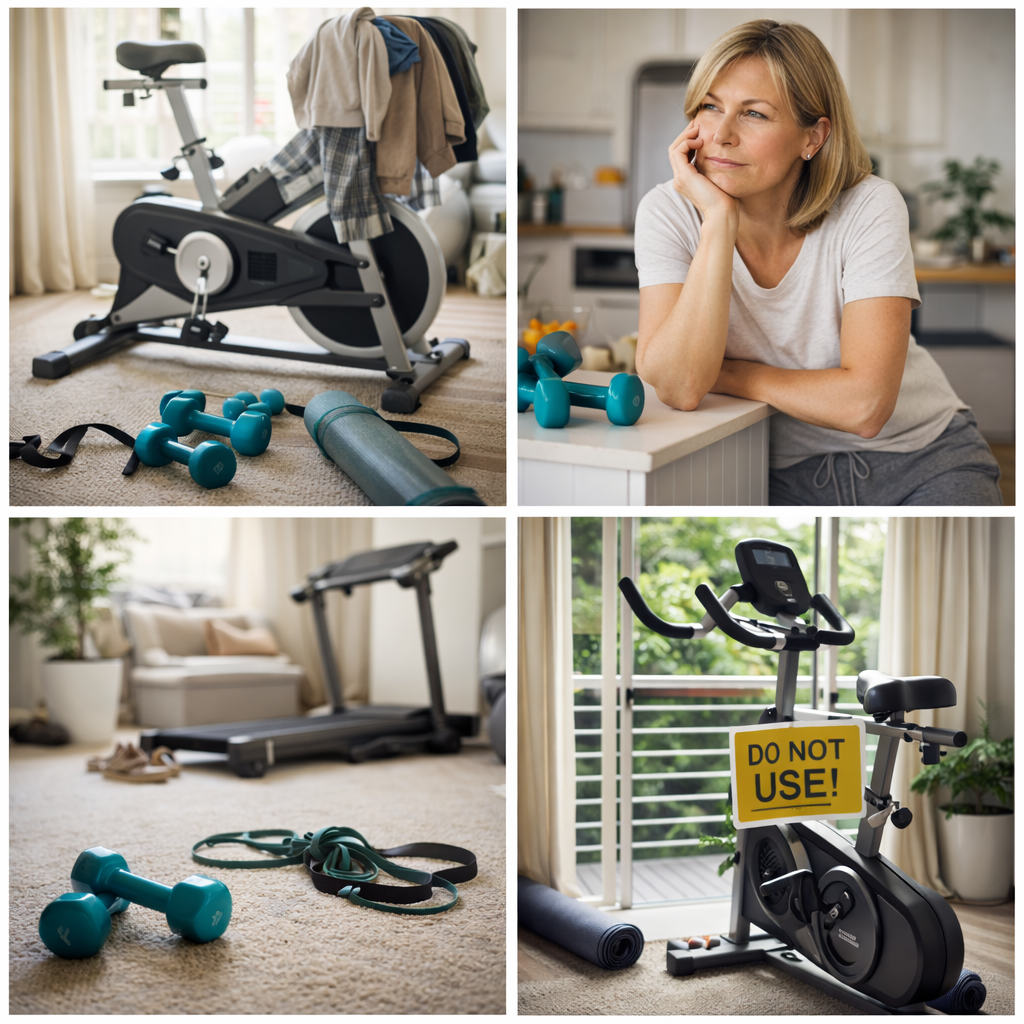
Why 90% of Home Fitness Equipment Gets Abandoned After 3 Months
Most home fitness equipment isn’t abandoned because people are lazy.
It’s abandoned because it was never designed for real life.
This article explains why 90% of home workout gear fails—and what sustainable fitness should actually look like.
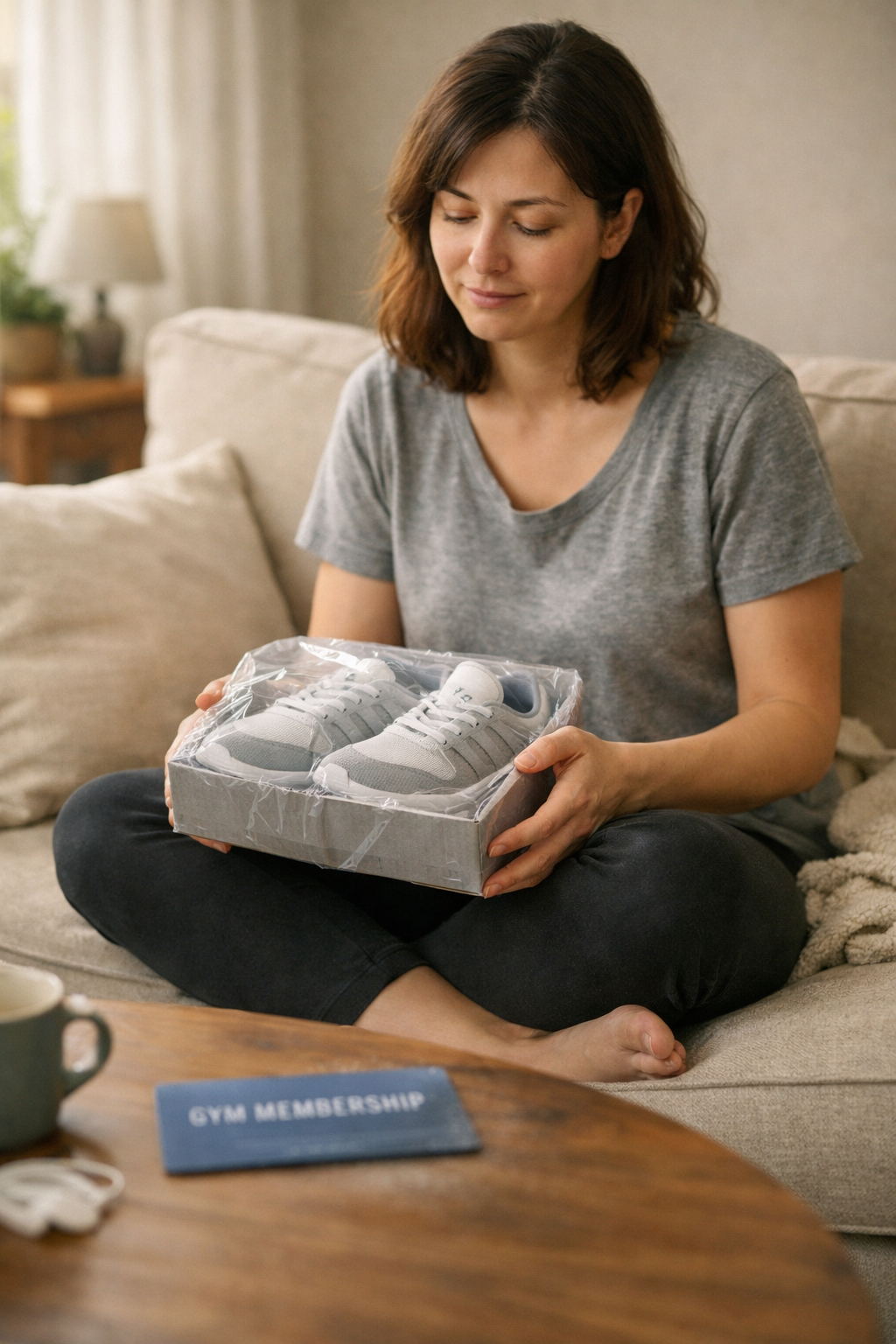
Why So Many People “Can’t Stick to Fitness” — And It’s Not a Discipline Problem

Choosing Between the Gym and Home Fitness for Middle-Aged Women: Why Home Usually Wins
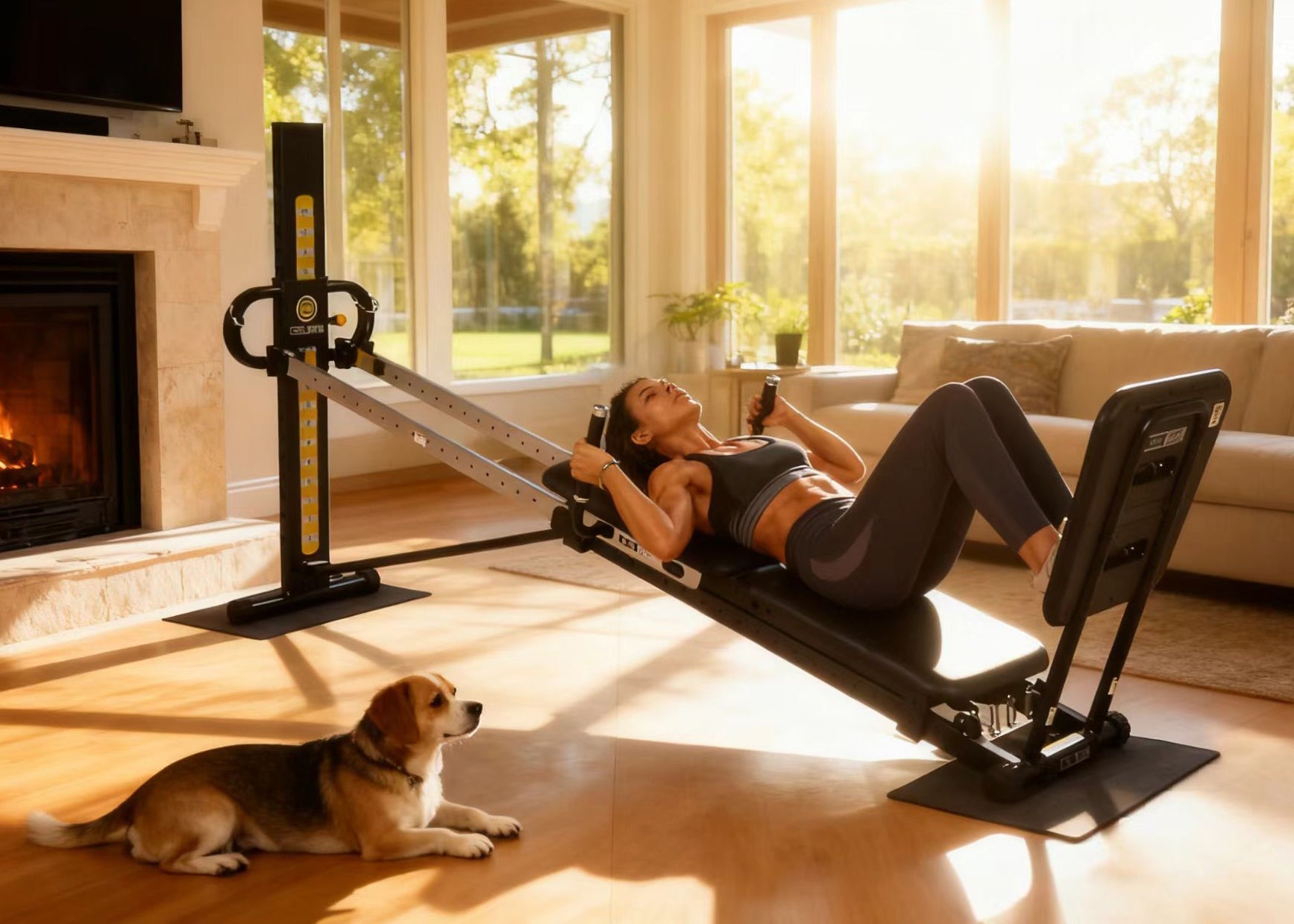
Why Did We Create Home Fitness Equipment?
Gyms can be inconvenient, crowded, and time-consuming. We designed MOMO home fitness equipment to bring freedom, simplicity, and family connection back to everyday fitness.
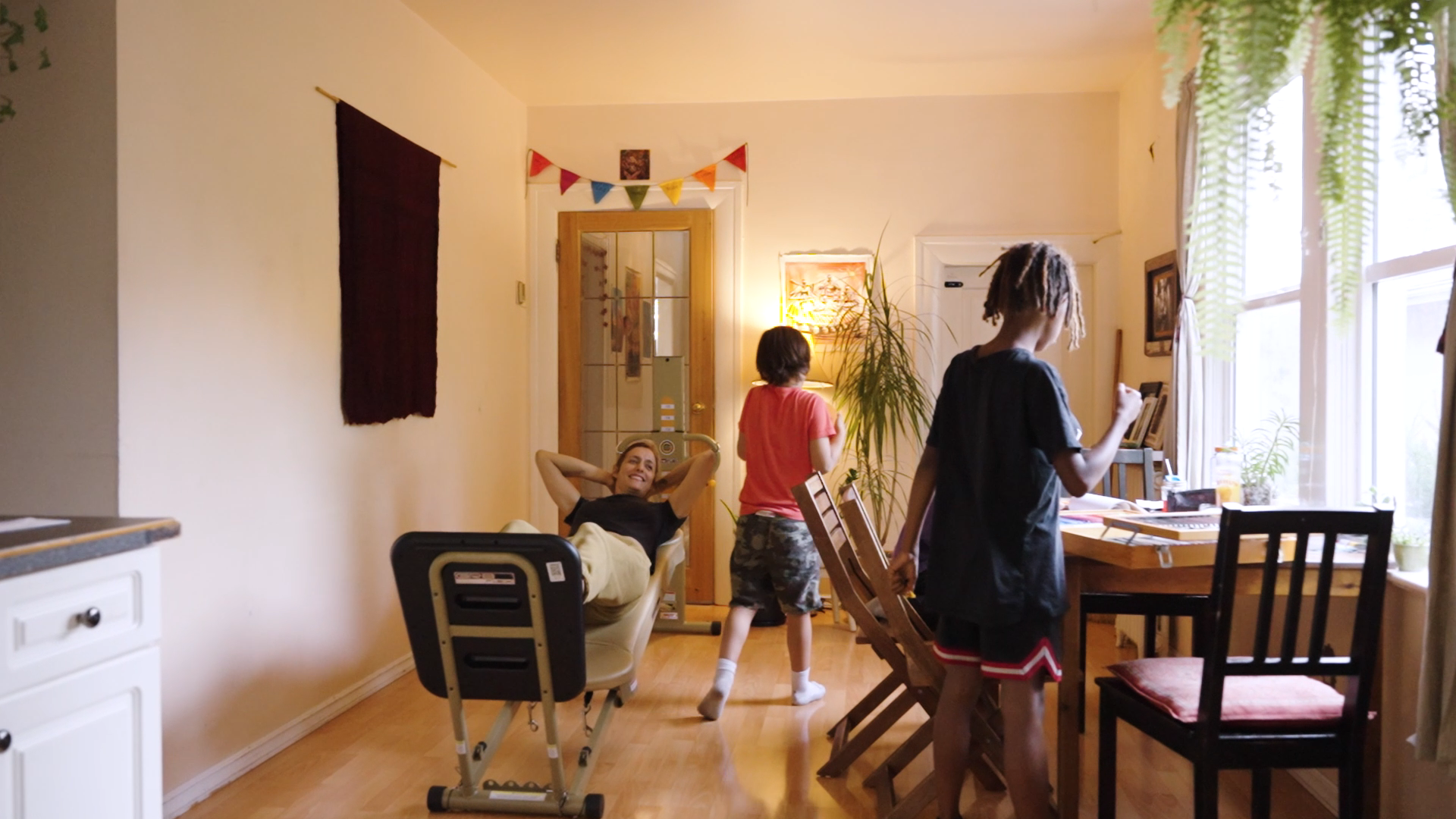
Fitness doesn’t have to be a solo journey — it can be a joyful lifestyle shared by the whole family, filled with laughter, movement, and connection.
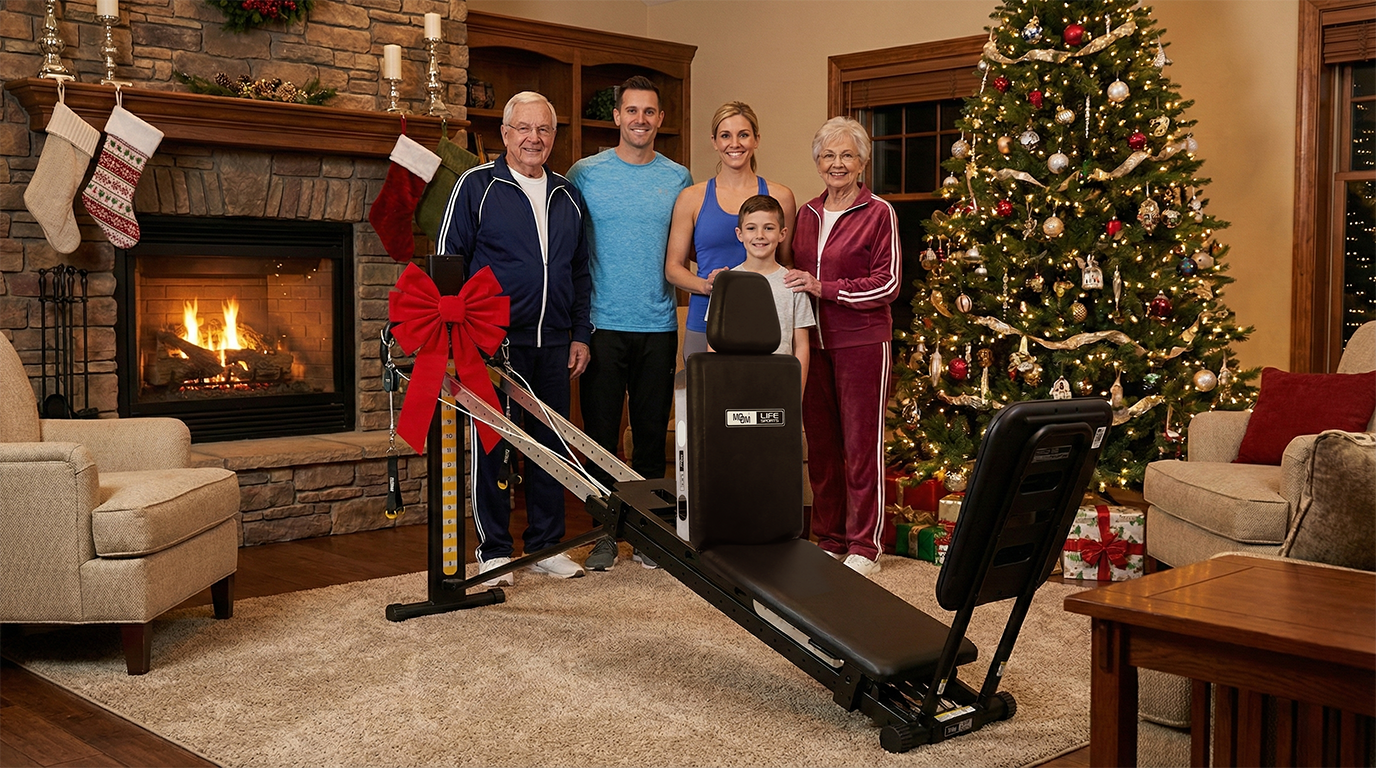
A Christmas Gift for the Whole Family
This Christmas, give something that brings the whole family together—a gift of health, movement, and connection.